
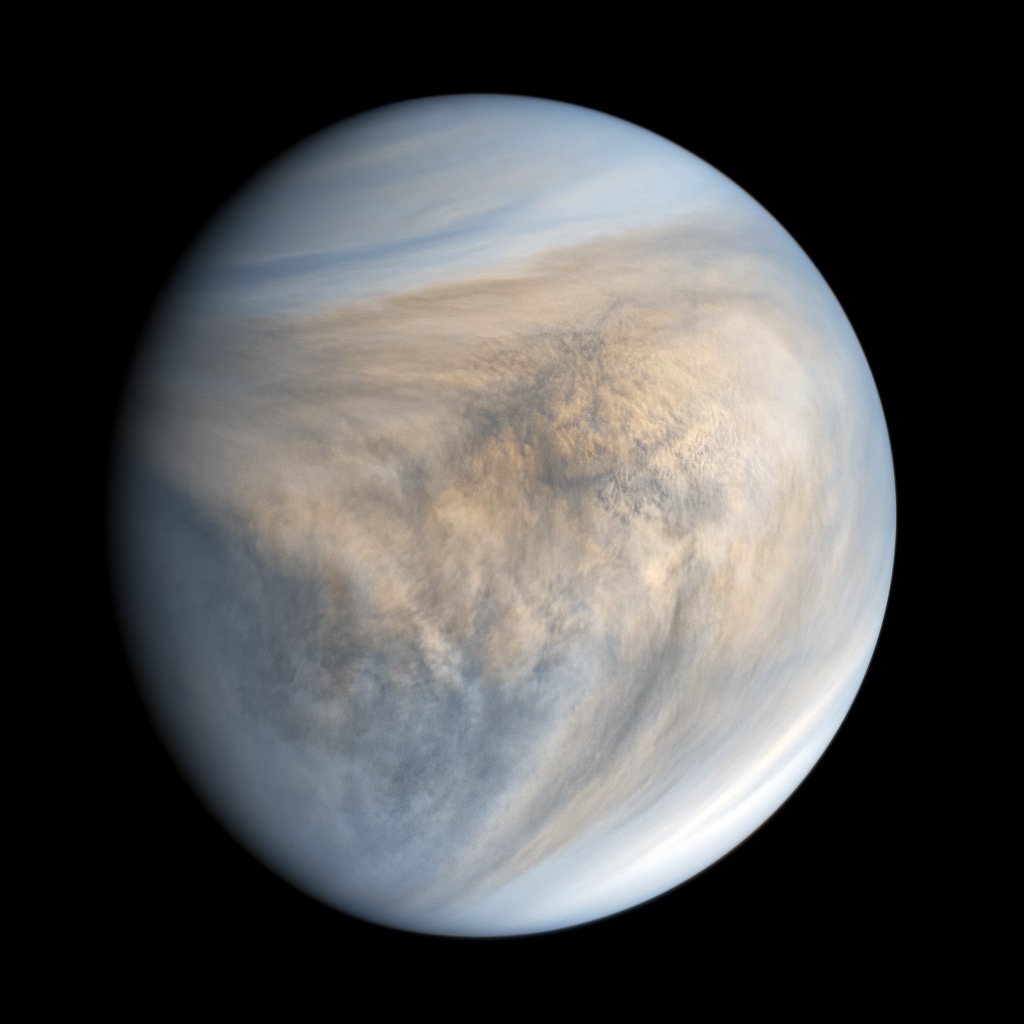
In the search for exoplanets, astronomers are constantly looking for the next Earth-like planet, one that could host life as we know it. However, preliminary results from a new study suggest that our galaxy might be filled with a multitude of exo-Venuses. This discovery raises important questions about the conditions necessary for supporting life and the diversity of planets in the universe.
One of the researchers involved in this study emphasizes that the template for these exo-worlds – our own Venus – has been ‘criminally underexplored’. This comment highlights a significant gap in the study of this type of planet, given that Venus is, in essence, a highly relevant example for understanding the atmospheric, geological, and climatic processes that could exist on other similar planets.
On a planet such as Venus, the conditions are so harsh that life, as we know it, would be impossible. Maximum temperatures exceeding 470 degrees Celsius, atmospheric pressure 92 times greater than that on Earth, and an atmosphere rich in carbon dioxide demonstrate how drastically different a ‘habitable’ planet can be. These extremely severe conditions have led to speculations that deviations from life-favorable conditions may be more common than previously thought.
Recent research also suggests that many of the exoplanets detected in nearby stellar fields may represent planets with atmospheric conditions similar to those on Venus, which could provide vital clues for future astrophotography studies. The faces of these planets, captured through advanced observational techniques, can reveal not only physical aspects but also potential signs of geological or atmospheric activity.
In this context, astronauts and astrophotographers can explore these worlds more closely, analyzing images and data to uncover more about their composition and structure. Additionally, studying exo-Venuses could provide insights into planetary evolution and their potential habitats.
In short, understanding Venus-like exoplanets may be crucial for discovering conditions that could allow for the support of life, even in completely different forms. This research underscores not only the diversity of planets in our galaxy but also the complexity of the search for extraterrestrial life and future missions that could transform our vision of the universe.
Source: Universe Today