
Dust: An Essential Component of the Universe and Our Lives
In the vast and mysterious universe, dust plays a crucial role in the formation of stars and planets, yet paradoxically, it is often undervalued. Recent research has highlighted the importance of cosmic dust in the evolutionary processes of galaxies and the formation of life on Earth. Without cosmic dust, the universe as we know it would not exist.
Cosmic dust is made up of tiny particles that form during supernova explosions or in star-forming regions. These particles are essential for cooling collapsing gas clouds, allowing them to form stars. Without the presence of dust, these clouds could not undertake their life cycle, and stars—which are vital for providing the light and heat necessary for life—could not form.
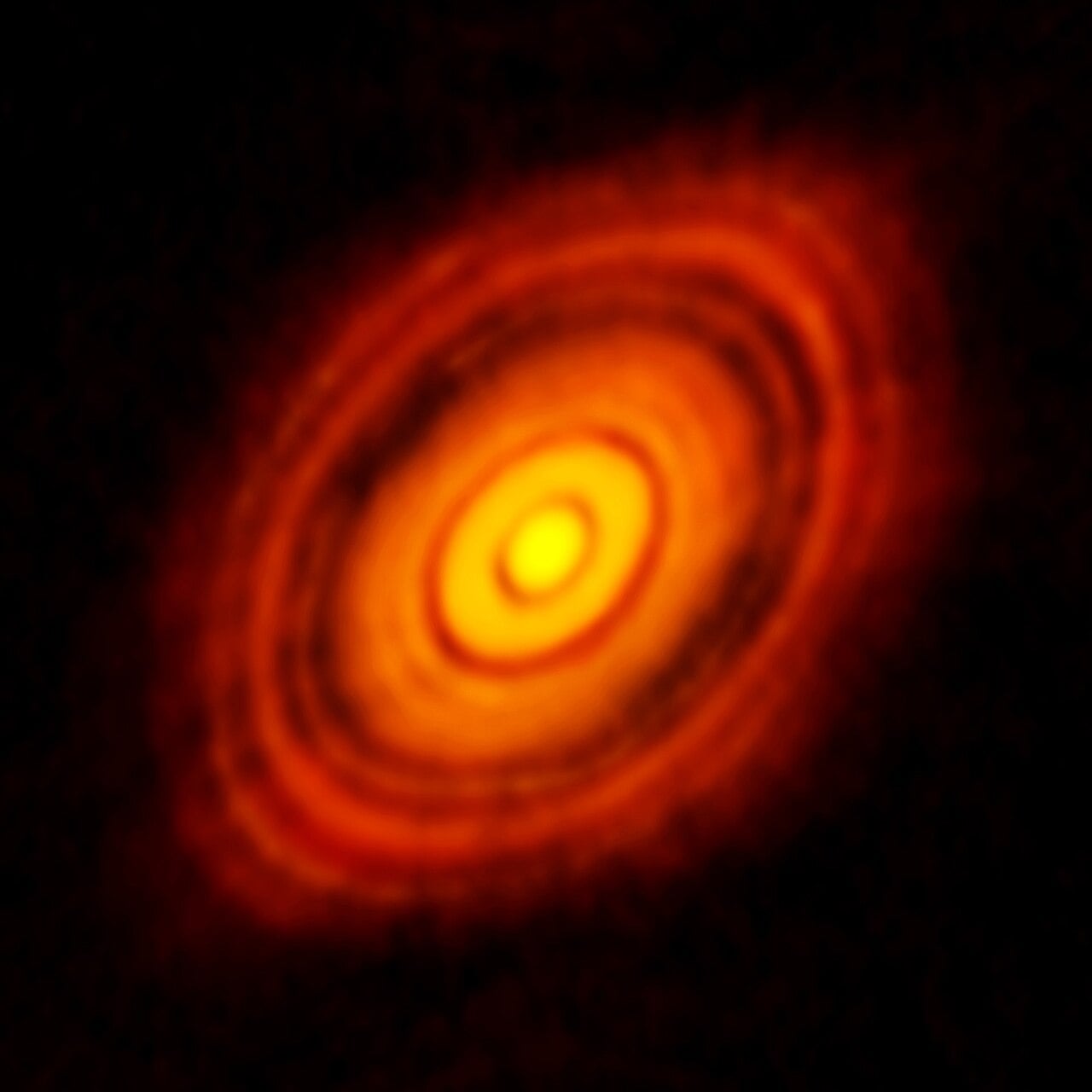
Thus, dust is the first step in the evolutionary journey from small particles to planets. It either clumps together into clusters or condenses to form planetary cores. This complex and beautiful process would be impossible without the presence of dust, which acts as a glue in the cosmos.
Furthermore, cosmic dust contributes to the chemistry of our atmosphere. Many chemical elements, such as carbon and oxygen, originated from dust produced by explosive stars. These elements are fundamental for life on Earth, and their absence would lead to an apocalypse of biodiversity.
For astronomy and astrophotography enthusiasts, dust not only provides a fascinating scientific context but also extraordinary subjects for study. Objects like the Orion Nebula or the dust clouds in our galaxy are ideal locales for capturing stunning images, offering a window into the cosmic processes that shape our world.
In conclusion, dust, while often perceived as an enemy of cleanliness, is invaluable in shaping the universe and supporting life. So, when you gaze at the night sky, think about this small but essential component that has played a significant role in every aspect of our existence.
Source: Universe Today