
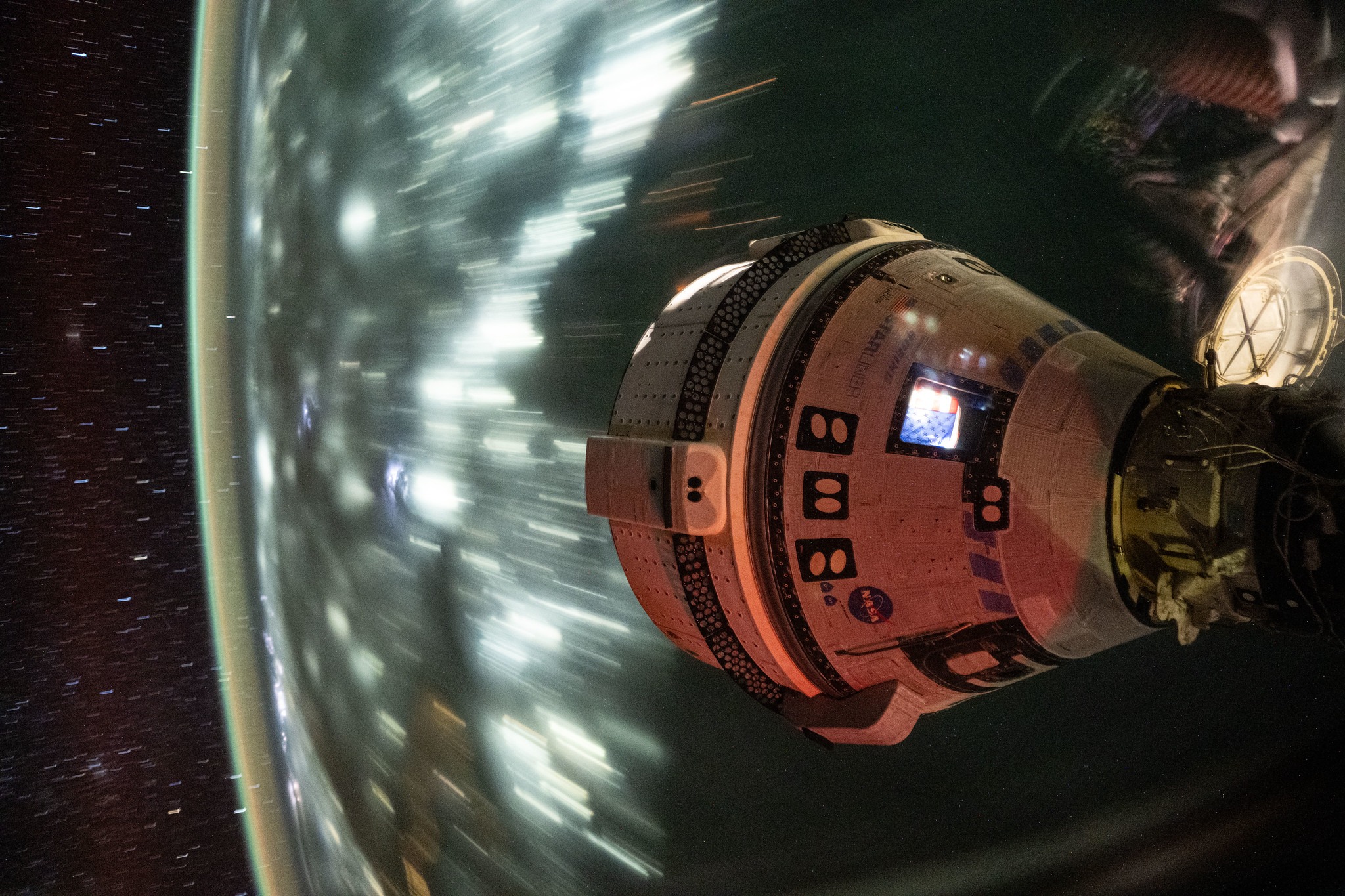
Recently, NASA and Boeing provided a significant update regarding the Starliner spacecraft program, a crucial commercial project aimed at transporting astronauts to the International Space Station (ISS). These announcements reflect key developments in mission planning and certification, as well as the expansion of the spacecraft`s flight capabilities.
To better understand the context, it is important to highlight the scientific and technological background of the Starliner. Launched as part of NASA`s Commercial Crew Program, Starliner is designed to provide a safe and efficient means of transporting crews to the ISS. This program fosters competition and collaboration among private companies to develop innovative space technologies, reducing reliance on traditional transportation methods. In this framework, Boeing was selected to develop and operate the Starliner—a reusable capsule capable of carrying up to seven astronauts.
A crucial aspect announced in the recent official communication is NASA and Boeing`s intent to add additional crewed missions for Starliner. This decision reflects increased confidence in the technology`s capabilities and safety as the program progresses. The addition of these extra crew missions will enhance the flexibility and frequency of flights to the ISS, strengthening international collaboration in space research and exploration.
Another major announcement concerns the certification of a new rocket to launch the Starliner spacecraft. This technological advancement implies rigorous reevaluation and testing of systems to ensure mission compatibility and safety. Within the current space agenda, where cost-efficiency and reliability remain fiercely competitive, this certification can contribute to optimizing launches and resource use.
For astronomy and astrophotography enthusiasts, these developments offer new opportunities to observe Starliner launches while gaining a deeper understanding of commercial spaceflight dynamics and their impact on space exploration.
NASA emphasizes its strong commitment to supporting innovation and expanding human exploration boundaries. The collaboration with Boeing exemplifies this approach. Starliner launches will not only support crews aboard the ISS but also open a new chapter in space tourism and colonization—fields becoming increasingly accessible through the concerted efforts of the aerospace industry.
In conclusion, the latest updates to the Starliner program highlight NASA and Boeing`s technical progress and expanded strategy in commercial space transportation. With more crewed missions planned and a newly certified rocket, the upcoming months will be crucial to securing Starliner`s role in the Commercial Space Sector.
Source: Webb Telescope News