
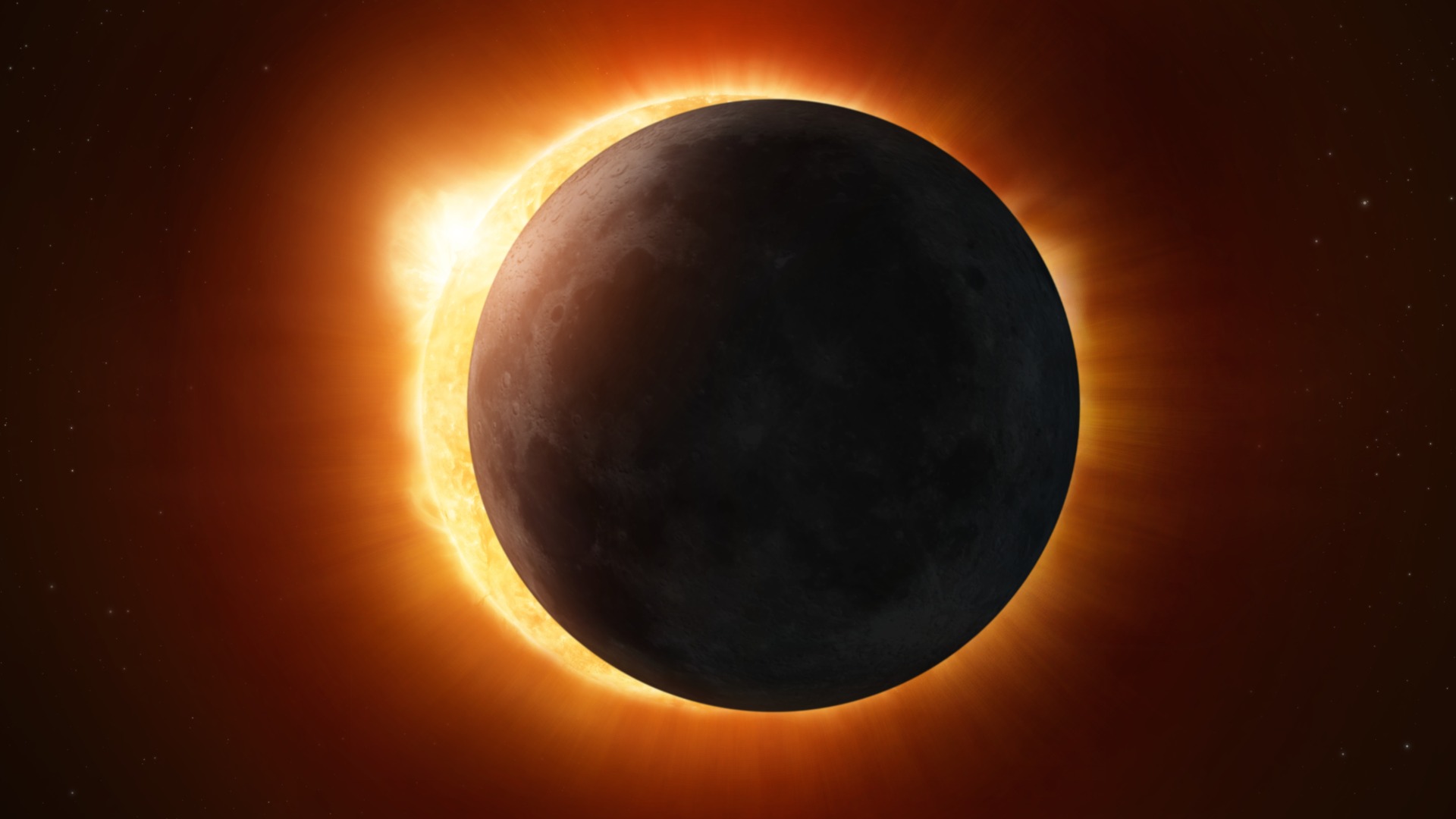
On August 12, 2026, astronomy enthusiasts and scientists from around the world will gather to witness a spectacular natural phenomenon: a total solar eclipse. This event presents a unique opportunity to observe the interplay between the sun, moon, and Earth, a remarkable moment for both research and observation. The European Space Agency (ESA) invites all astronomy lovers to join this experience, whether in person or from the comfort of their homes.
The eclipse will be visible from a narrow band across the Earth, which includes parts of Europe, Asia, and North Africa. This not only provides a stunning opportunity for observation but also a chance for researchers to gather important data about the solar atmosphere and its effects on Earth. The event will be streamed live by ESA for those unable to travel to the eclipse path, thus ensuring maximum accessibility for all astronomy enthusiasts.
The significance of such an eclipse cannot be underestimated. A solar eclipse is relevant not just for astronomical experiments but also for astrophotography, where the goal is to capture images of this celestial interaction. Astrophotographers will have the chance to use advanced techniques to capture details of the solar corona, an aspect rarely observable under other conditions. This will provide a fantastic opportunity for those looking to enhance their skills in capturing images of the sky.
ESA promises to provide educational resources, information, and insights for everyone wishing to participate. The event will also include discussions with experts in the field, who will explore the scientific significance of the eclipse and the importance of observations during this phenomenon. Such collaboration between astronomy enthusiasts and scientific organizations is crucial for understanding and appreciating the cosmos.
In preparation for this event, it’s important to familiarize yourself with the necessary equipment to safely observe the eclipse. Eclipse glasses are essential to prevent ocular damage. Additionally, for those wishing to engage in astrophotography, a telescope or a camera with appropriate filters is recommended. Preparations can begin now, ensuring that you are ready to capture stunning images of this rare moment.
Although the total eclipse will last only a few minutes, the impact of this phenomenon will be felt long after. Throughout history, eclipses have affected humanity’s perspective on the cosmos and have influenced culture and science. This 2026 eclipse is a new opportunity to look to the skies and connect with the universe. Join ESA in this cosmic adventure, whether in person or online.
Source: ESA