
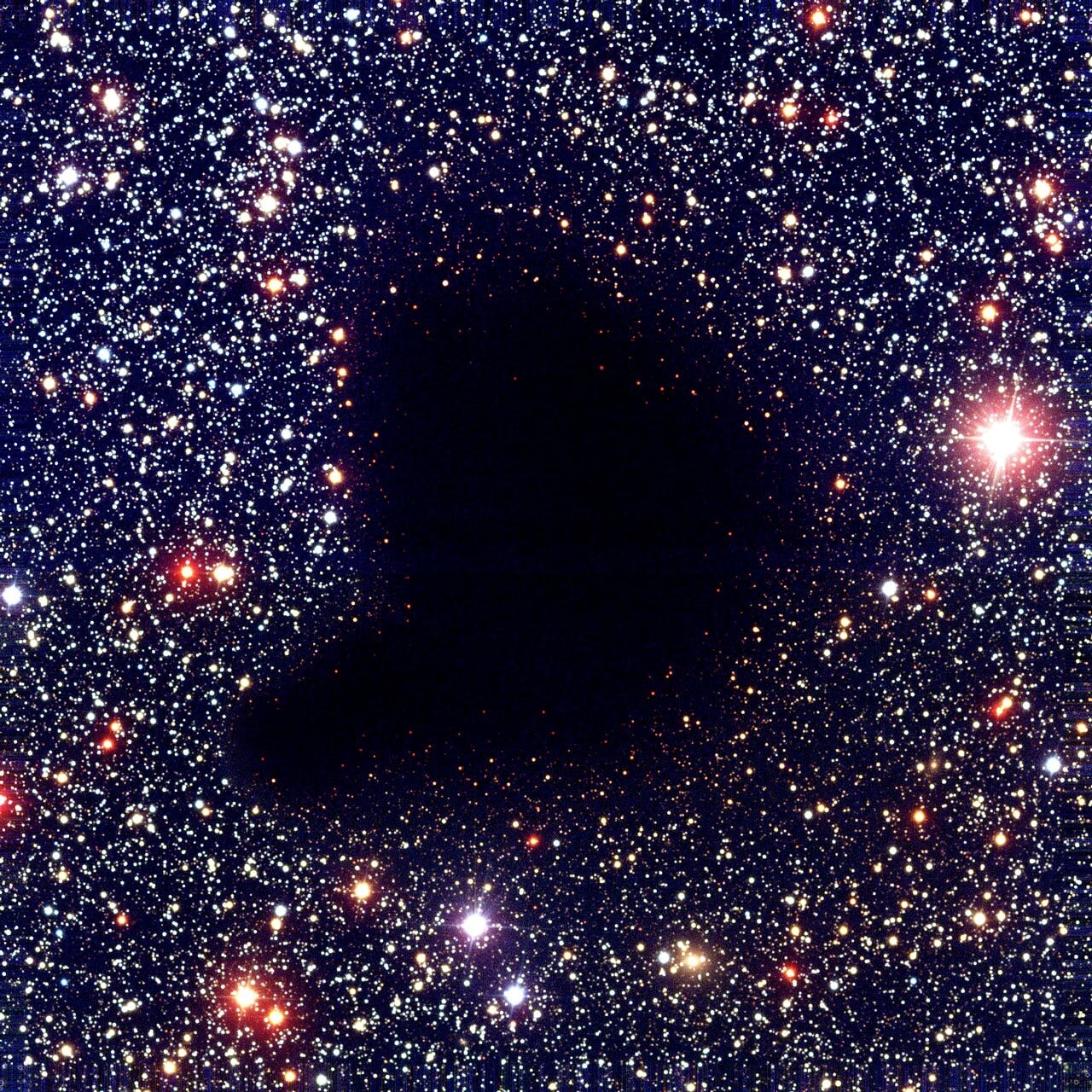
In the vast expanse of cosmic space, every atom and molecule plays a critical role in the infinite evolution of the universe. One of the most fascinating phenomena supporting the formation of matter is the microscopic interplay between atoms and cosmic dust particles. Surprisingly, dust is not merely useless residue; it is an essential component of space chemistry and the formation of molecules that help us understand the origin of life and star evolution. This article aims to reveal the crucial role of cosmic dust as tiny chemistry laboratories that enable reactions impossible to occur otherwise in the vacuum of space.
One of the simplest yet most fundamental molecules in universal chemistry is the hydrogen molecule (H2). This gas is vital in the formation of stars and molecular clouds within galaxies. However, forming an H2 molecule from two hydrogen atoms in interstellar space is a challenge. Each hydrogen atom has a single electron, and two free atoms would repel each other electrostatically, making direct combination extremely unlikely to happen spontaneously in the cosmic vacuum. A surface is required where these atoms can temporarily adhere and facilitate their chemical bond. This is where cosmic dust comes into play.
Cosmic dust consists of tiny solid particles made of carbon, silicon, ice, and varying amounts of metals, floating through space. These particles provide solid surfaces on which hydrogen atoms can temporarily stick. On these surfaces, hydrogen atoms can meet others, exchange energy through complex interactions, and bond to form stable H2 molecules. Moreover, in the cold, dark regions of molecular clouds, complex organic molecules and even precursors to life can form through various chemical reactions facilitated by these solid surfaces.
Thus, cosmic dust becomes a genuine microscopic chemistry lab—a medium that enables essential chemical processes for the universe`s evolution and the emergence of life on planets. Recent research shows that dust particle surfaces influence not only the formation of simple molecules but also complex chemical reactions leading to biologically significant elements in the field of astrobiology.
In conclusion, although cosmic dust might appear at first glance as mere residue or an obstacle in space exploration, it serves as a vital ingredient in space chemistry. Thanks to dust, much of the molecular complexity we observe and study in the universe comes to life. These insights help us better understand how essential chemical elements formed and how life might arise and evolve in extraterrestrial environments.
Contemplating the significance of cosmic dust, we can say that the entire universe`s chemistry depends to some extent on these tiny particles. In our future astronomical and astrophotographic pursuits, as we admire the clouds of gas and dust birthing stars, we should remember that behind the visual beauty lie tiny chemistry labs weaving the fabric of universal life.
Source: Universe Today