
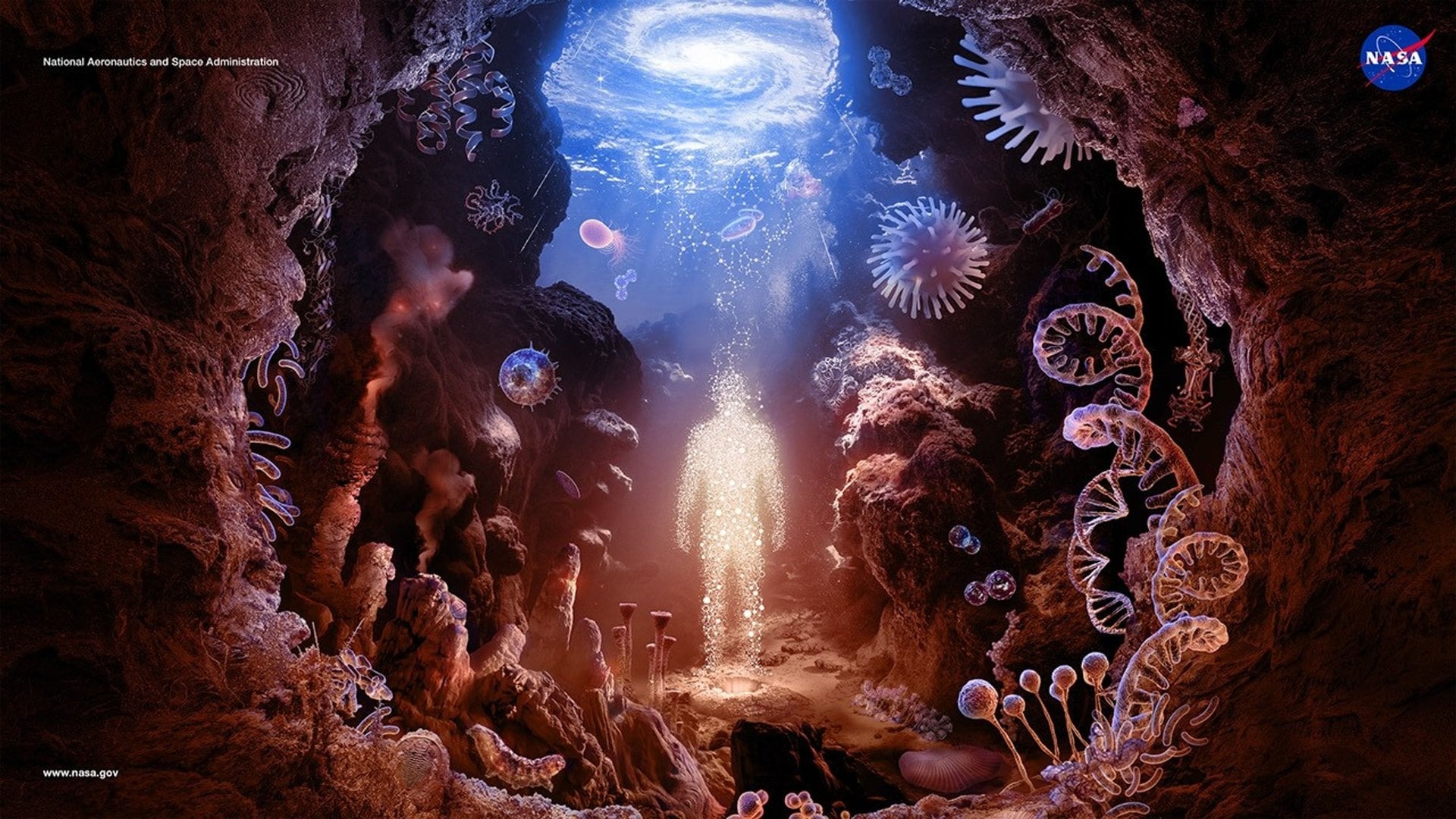
The origin of life`s essential components on Earth has long fascinated scientists in astronomy and astrophysics fields. A recent NASA-supported study brings a fresh perspective on how the early Earth gathered vital chemical elements, particularly phosphorus and nitrogen, which are crucial for life as we know it.
Published in the journal Science Advances, this research analyzes the composition of ancient iron meteorites and younger objects called chondrites. By measuring the phosphorus to nitrogen ratio in these extraterrestrial materials, scientists have uncovered key insights about the distribution of these elements in the nascent solar system.
In scientific context, this study addresses the question of how bio-essential elements—like phosphorus, critical for DNA, RNA, and metabolic molecules—arrived on Earth in forms usable by early life. Previous theories largely suggested these ingredients were delivered to Earth by meteorite and comet impacts. However, new evidence suggests a more complex, active role played by the major planets of the solar system.
One surprising conclusion of the study is Jupiter`s role in redistributing elements. As the largest planet in our solar system, Jupiter appears to have acted as a gravitational disperser, influencing how elements such as phosphorus and nitrogen reached smaller bodies orbiting closer to the Sun, including Earth.
This process, sometimes referred to as gravitational scattering, suggests Jupiter not only shaped the solar system`s architecture through its immense gravity but also helped funnel bio-essential materials towards the inner solar system where Earth was forming. Consequently, meteorites and other bodies that delivered life`s building blocks had different compositions than previously assumed.
This discovery carries significant implications for astrobiology and the study of planetary habitability. Understanding how life`s ingredients spread within the solar system can help us identify the conditions under which other worlds might develop life, providing crucial clues for future space missions searching for life evidence.
Furthermore, this research highlights the ongoing importance of studying meteorites and minor solar system bodies, as they preserve chemical and historical records from the solar system`s formation era. Advances in isotopic and chemical analyses enable reconstruction of how the materials that formed our planet evolved over time.
In summary, this study challenges conventional views on the delivery of life`s essentials and reveals a major role played by giant planets in shaping the early solar system`s chemical landscape. Such findings promise more detailed answers about the origin of life both on Earth and potentially elsewhere in the cosmos.
For astrophotographers and astronomy enthusiasts, this revelation underlines profound connections among different celestial bodies—from meteorites to gas giants—that collectively created the complex environmental conditions favoring life`s emergence. When you gaze up at the night sky, imagine these cosmic chemical journeys that ultimately made our existence possible.
The original study can be accessed here: NASA study challenges theories on where the ingredients for life came from.
Source: Universe Today