
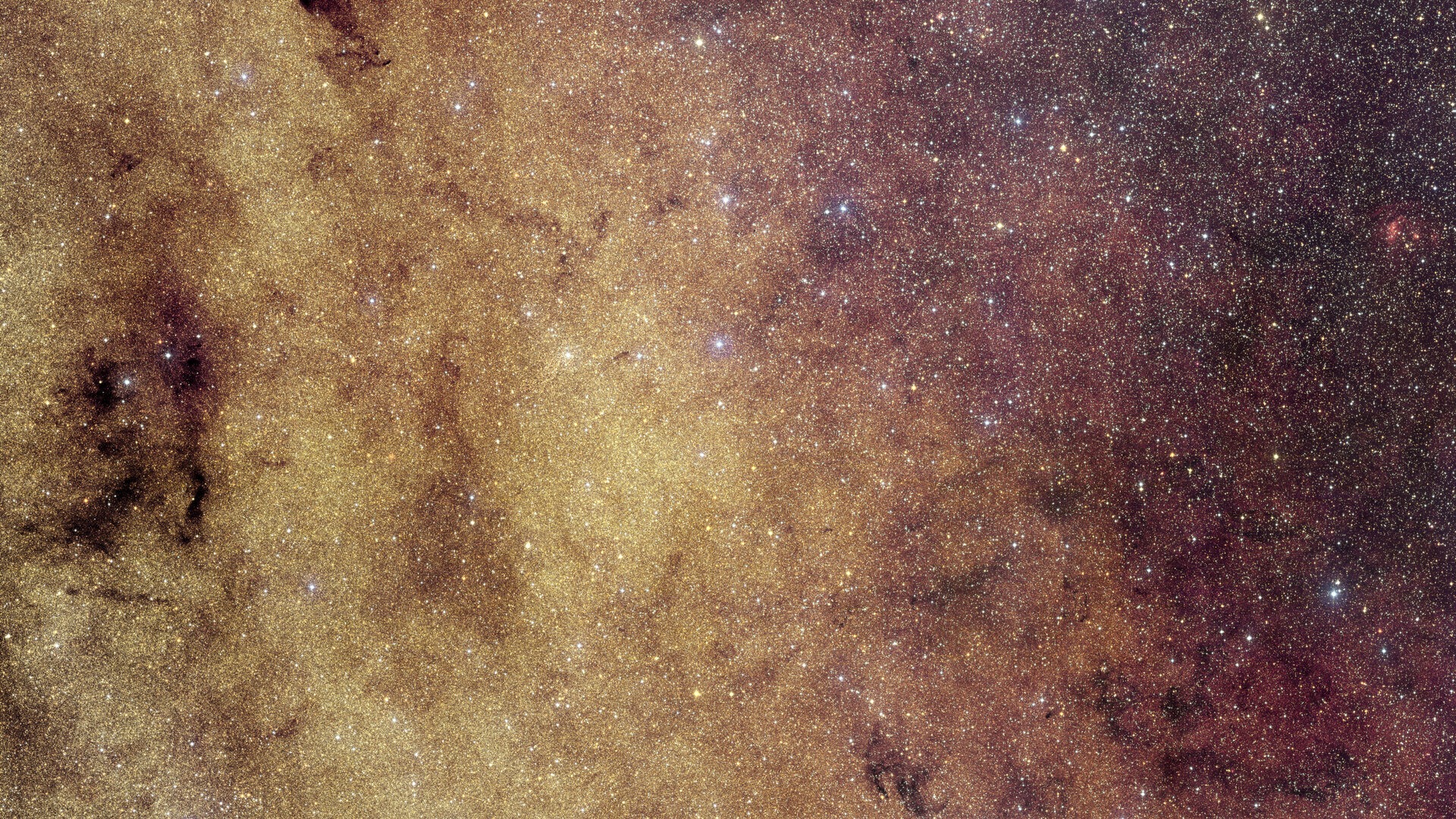
The Euclid space telescope, an advanced mission by the European Space Agency (ESA), has recently captured stunning images of the very core of our own galaxy, the Milky Way. This region, known as the Galactic bulge, is one of the most densely populated and complex areas in the galaxy. For astronomy enthusiasts and astrophotographers, this achievement brings new and captivating insights into the structure and dynamics of our galactic neighborhood.
The scientific context of the Euclid mission is ambitious: the satellite was launched primarily to study dark matter and dark energy—the mysterious components that make up most of the universe’s total mass-energy content. However, beyond these primary objectives, Euclid also provides imagery with remarkable resolution and clarity of various cosmic targets. Thanks to its ability to peer through thick dust clouds that normally obscure view from Earth-based telescopes, Euclid has succeeded in capturing the Milky Way`s central region with unprecedented precision and detail.
The Galactic bulge marks the nucleus of our galaxy, a zone densely packed with stars, gas, and cosmic dust condensed into a relatively small area. Among its many features is a supermassive black hole, Sagittarius A*, possessing millions of times the mass of our Sun. Understanding this area is essential for grasping how galaxies form, evolve, and interact with their cosmic surroundings over time.
Images from Euclid reveal intricate structures in the bulge, including bright spots signifying dense clusters of young stars alongside clouds of gas and dust that fuel ongoing star formation. Moreover, Euclid’s advanced instruments provide a three-dimensional perspective of the bulge, enabling scientists to analyze its shape and composition in a level of detail never before possible. This novel viewpoint helps to unravel the complexities hidden within the crowded heart of our galaxy.
For astrophotographers, these images pose both a technical challenge and a tremendous inspiration. Capturing such a densely packed region with excellent contrast between different types of celestial objects requires precision and a deep understanding of light collection techniques. Euclid demonstrates not only the advancements in space-based observation technologies but also the power of these technologies to uncover the beauty and complexity of the cosmos on a grand scale.
In summary, the Euclid mission’s achievements open an unprecedented window into the heart of the Milky Way, paving the way for groundbreaking research in astrophysics and enriching the knowledge and passion of astronomy enthusiasts worldwide. As the mission continues to progress, we can expect further discoveries and images that will fundamentally reshape our understanding of the universe surrounding us.
Source: ESA