
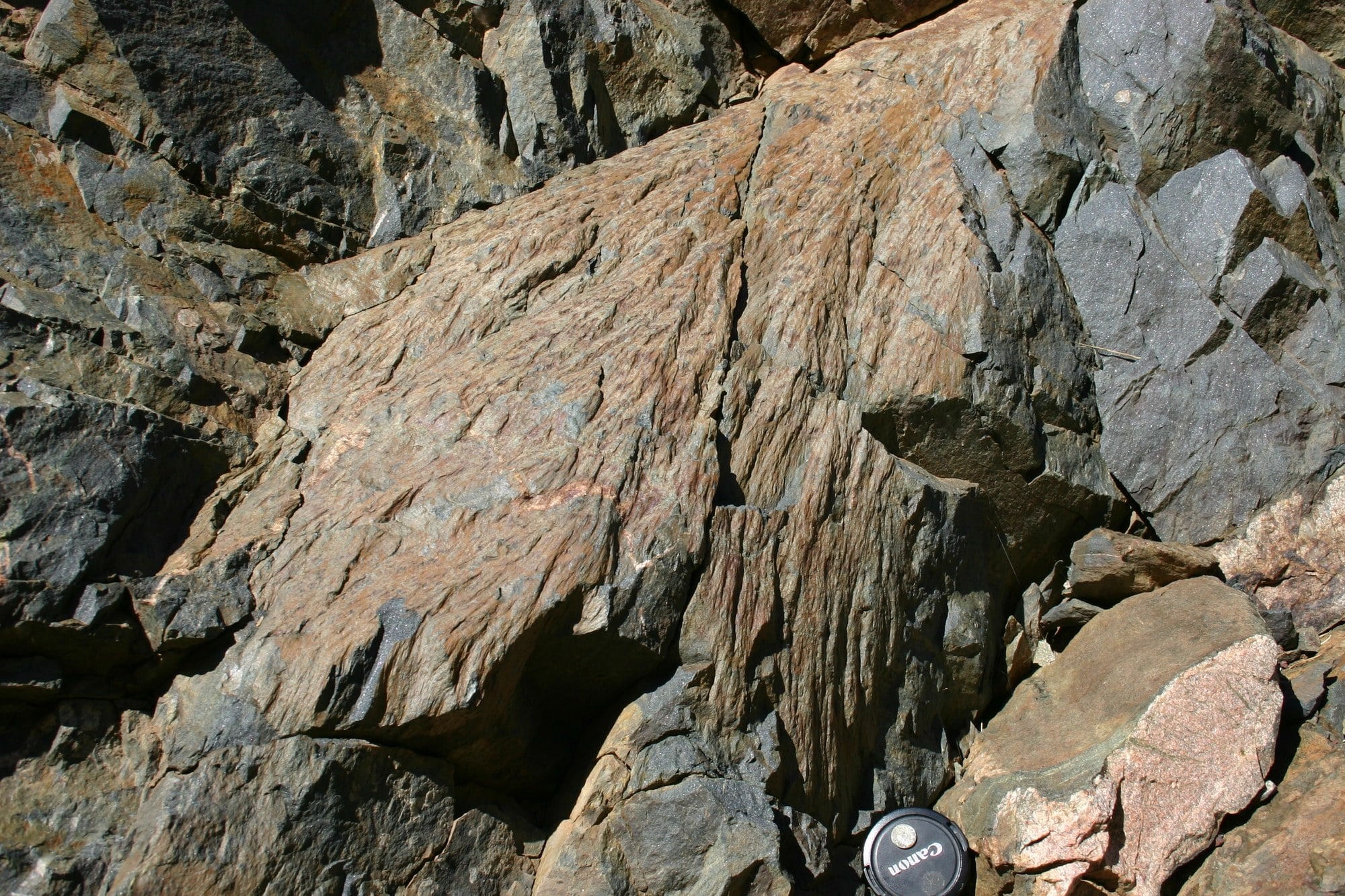
A significant reevaluation of the age of a buried impact crater beneath the town of Ames, Oklahoma, has recently been published by researchers at the University of Texas at Austin, revealing that the crater is roughly 370 million years old — approximately 100 million years older than previously thought. This adjustment in dating places the Ames crater near the Late Devonian mass extinction event, a major episode in Earth`s history that saw substantial losses in marine biodiversity.
The Ames crater is a hidden geological structure, buried beneath layers of sediment and rock. While it is well known locally for its production of oil and natural gas, the crater itself had long been roughly dated to around 270 million years before present. This older age was not clearly linked to any major extinction or geological upheaval. However, recent advances in geochronology, specifically using zircon uranium-lead dating techniques, have allowed scientists to more accurately date the rocks affected by the impact, thereby giving a more precise age for the crater formation.
Zircon crystals are extremely durable minerals that contain uranium, allowing for highly reliable radiometric dating by measuring the decay of uranium isotopes into lead within the crystal. By analyzing the zircon grains extracted from rock samples around the Ames crater, researchers established that the impact event took place around 370 million years ago, placing it in the Late Devonian period — an era associated with one of Earth`s significant mass extinctions.
The Late Devonian extinction was a profoundly transformative event in Earth`s history, primarily disrupting marine ecosystems. It resulted in the loss of a large proportion of sea life and altered the course of biological evolution on the planet. The cause or combination of causes behind this extinction has been intensely debated, with scientists considering factors such as climate change, sea level fluctuations, volcanic activity, and now, with this new dating, the possibility of an asteroid or comet impact as a contributing factor.
Impact events are known to have the potential to cause environmental catastrophes on a global scale. Such an impact can send vast amounts of dust and aerosols into the atmosphere, block sunlight, trigger massive wildfires, and cause rapid climate variations. The reassessment of the Ames crater`s age strengthens the hypothesis that extraterrestrial impacts could have played a significant role in driving some of the major extinction events documented in Earth`s geological record.
This discovery highlights the importance of modern radiometric dating methods in refining our understanding of Earth`s past. Accurate dating is essential for correlating geological formations and biological disruptions, which in turn informs our knowledge of the causes and effects of past environmental changes. The case of the Ames crater demonstrates the invaluable insights that can be gained when precision dating redefines the timeline of major Earth events.
For both astronomers and astrophotographers fascinated by cosmic impacts and their terrestrial consequences, the Ames crater serves as a compelling reminder of the dynamic interactions between space and life on Earth. Beyond being simply a source of fossil fuels, this crater now takes on enhanced scientific significance, providing clues to the process and aftermath of ancient asteroid impacts and their role in shaping Earth`s biological heritage.
Further information and source materials can be accessed on the specialized website: Space Daily.
Source: Space Daily